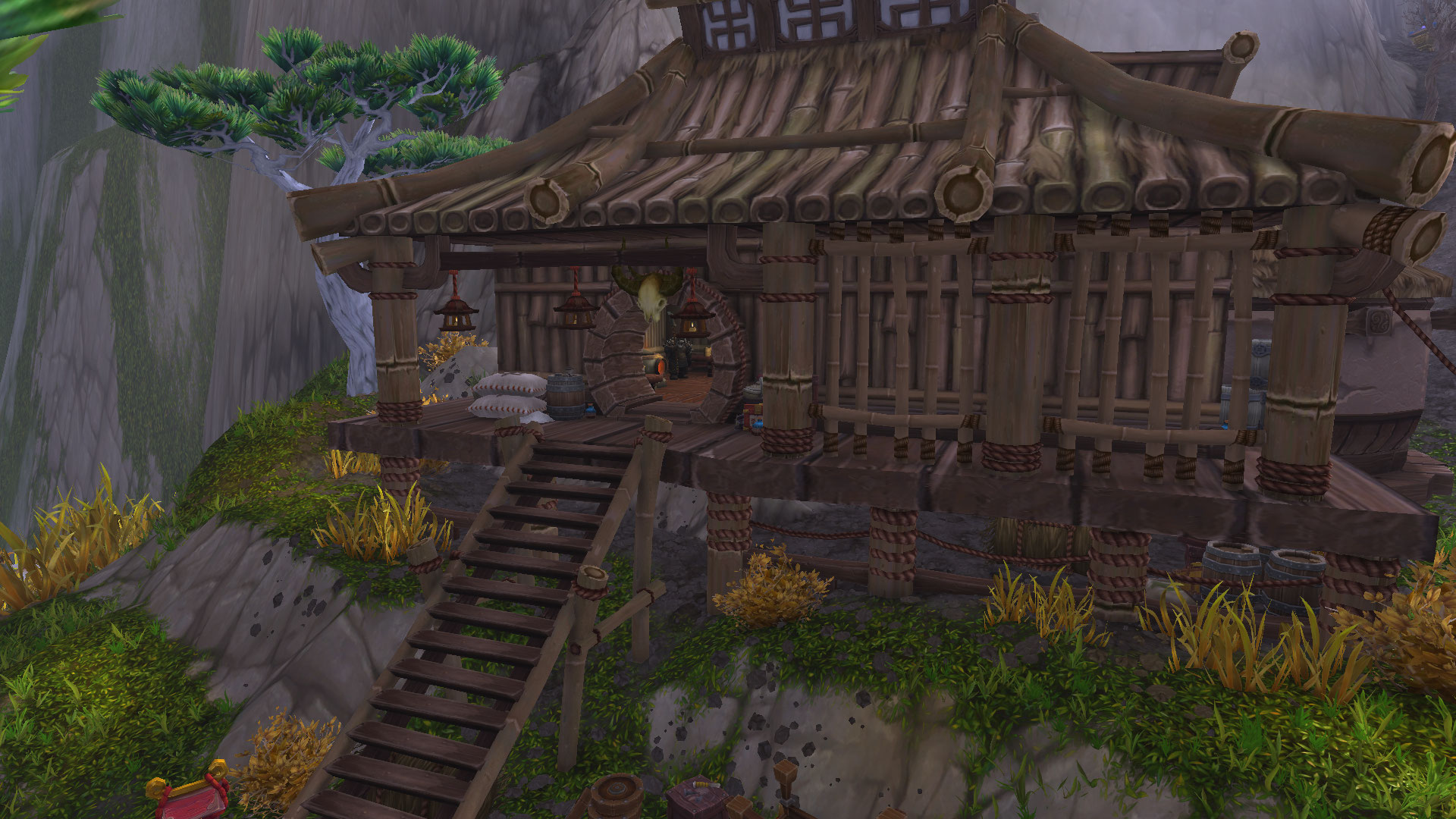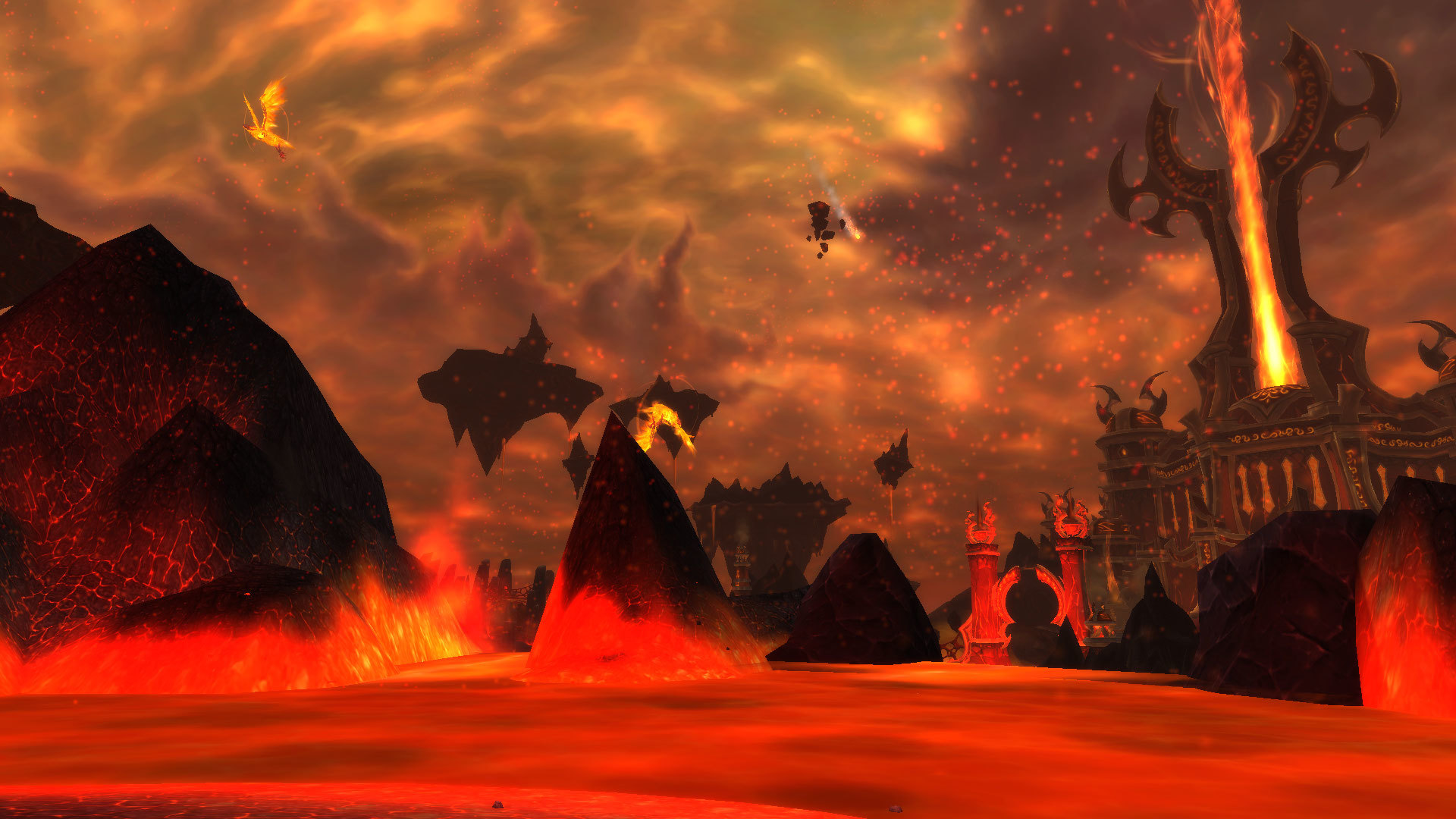

Modern dungeon environments are built to punish players who focus only on rotations and damage meters.
Environmental hazards, terrain constraints, and spatial mechanics require constant awareness. Tunnel vision no longer leads to efficiency—it leads to failure.
Hazards Demand Continuous Awareness
Ground effects, moving obstacles, and line-of-sight blockers force players to split attention between output and positioning. Ignoring the environment often results in avoidable damage or deaths that derail the run.

Terrain Shapes Combat Decisions
Where enemies are fought determines how dangerous they become.

Tight corridors, elevation changes, and limited escape routes amplify mistakes. Smart positioning mitigates threats before they manifest.
Environmental Pressure Rewards Discipline
Players who manage space cleanly maintain uptime without panic movement. Those who tunnel damage react late, lose positioning, and force healers into recovery mode instead of proactive play.
| Environmental Element | Ignored Result | Clean Response |
|---|---|---|
| Ground hazards | Unnecessary damage | Early repositioning |
| Tight spaces | Movement traps | Pre-pull planning |
| Line-of-sight blocks | Interrupted healing | Sightline control |
| Dynamic terrain | Late reactions | Predictive movement |
Awareness Increases Effective Damage
Handling the environment correctly reduces downtime and panic movement.

Awareness creates safer damage windows naturally, allowing players to perform better without risky optimization.
Conclusion
Dungeon environmental design now actively punishes tunnel vision gameplay.
Encounters reward players who respect space, terrain, and hazards, proving that awareness is as critical as output in modern dungeon success.