World of Warcraft (WoW) has a storied history filled with challenging raid bosses that have tested the mettle of even the most skilled players. Some of these bosses have not only pushed players to their limits but have also sparked controversy due to their mechanics, difficulty spikes, and the overall impact on guild dynamics. In this guide, we will explore the hardest and most controversial raid bosses in WoW history, delving into their mechanics, strategies, and the community’s response to them.
Which raid bosses are considered the hardest in WoW history?
Some of the hardest raid bosses in WoW history include Kael’thas Sunstrider, Yogg-Saron, and Garrosh Hellscream.
These bosses are notorious for their complex mechanics, requiring not only individual skill but also exceptional teamwork and coordination. Kael’thas Sunstrider from The Burning Crusade expansion is infamous for his multi-phase encounter that demands precise execution and quick adaptability. Yogg-Saron, a boss from Wrath of the Lich King, introduced sanity mechanics that challenged players’ mental fortitude while managing damage and healing. Garrosh Hellscream, the final boss of the Mists of Pandaria expansion, is known for his punishing mechanics and the necessity for flawless execution across multiple phases, making him a formidable foe even for seasoned players.
Each of these encounters has left a lasting legacy in the WoW community, often cited in discussions about raid difficulty. The challenges posed by these bosses have led to the formation of dedicated strategies and guides, as players sought to conquer these seemingly insurmountable obstacles. The difficulty of these encounters has also led to heated debates within the community regarding the balance of challenge versus accessibility, shaping the design of future raid content.
What made these raid bosses controversial among players?
The controversy surrounding these raid bosses often stems from their mechanics, accessibility, and the impact on guild dynamics.
Many players felt that certain bosses, such as Yogg-Saron, introduced mechanics that were overly punishing, leading to frustration and burnout. The sanity mechanic, for instance, required players to manage their mental state while simultaneously dealing with high damage outputs, which some argued was an unfair design choice. Similarly, Garrosh Hellscream’s encounter was criticized for its reliance on precise execution and coordination, which could lead to significant setbacks for guilds attempting to progress through the raid. This created a divide between casual and hardcore players, with some feeling that the difficulty was alienating to those who could not dedicate the time and effort required to succeed.
Moreover, the impact on guild dynamics cannot be understated. The stress of attempting to defeat these bosses often led to guilds fracturing under pressure, with members leaving due to burnout or frustration. This phenomenon has been particularly evident in the case of Garrosh, where the lengthy progression required to defeat him led to many guilds disbanding. The controversy surrounding these bosses has sparked discussions about the balance between challenge and accessibility in raid design, influencing how Blizzard approaches future encounters.
- Kael’thas Sunstrider: Multi-phase mechanics requiring precise execution.
- Yogg-Saron: Sanity mechanic that punishes players for mistakes.
- Garrosh Hellscream: High damage outputs and coordination demands.
- Impact on guild dynamics leading to player burnout and disbanding.
How did players adapt their strategies to defeat these bosses?
Players adapted their strategies to defeat these bosses by developing specific tactics, utilizing class synergies, and optimizing gear setups.
For Kael’thas Sunstrider, players quickly learned the importance of managing the phases effectively, with many guilds developing specific roles for each phase to ensure smooth transitions. This included assigning players to handle specific adds and utilizing cooldowns strategically to mitigate damage. In the case of Yogg-Saron, players discovered that communication was key, with many guilds implementing voice chat systems to coordinate their actions during the encounter. The introduction of add-ons to track sanity levels became essential for many groups, allowing them to manage this mechanic more effectively.
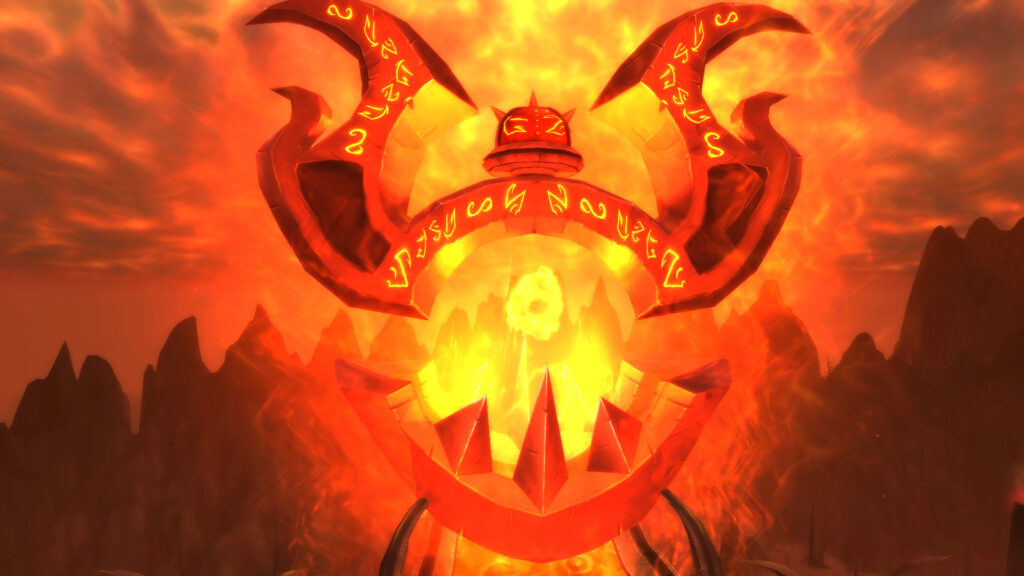
Garrosh Hellscream required a different approach, as players needed to optimize their gear and class compositions to handle the encounter’s high damage output. Many guilds turned to specific class synergies, such as pairing healers with damage mitigation abilities to ensure survival during critical phases. Additionally, players began to utilize detailed encounter guides and video resources to analyze successful strategies, leading to a wealth of information that could be shared within the community. This adaptability showcased the resilience and ingenuity of the WoW player base, as they continually refined their approaches to conquer these challenging encounters.
| Boss Name | Key Mechanic | Player Strategy | Recommended Class |
|---|---|---|---|
| Kael’thas Sunstrider | Multi-phase execution | Assign roles for each phase | Paladin |
| Yogg-Saron | Sanity management | Use voice chat for coordination | Priest |
| Garrosh Hellscream | High damage output | Optimize gear and class synergy | Druid |
What are the critical parameters for defeating these controversial bosses?
Critical parameters for defeating these bosses include understanding their mechanics, effective communication, and proper gear optimization.
Understanding the mechanics of each boss is paramount; players must be aware of the specific abilities and phases to anticipate and react accordingly. For example, Kael’thas’s ability to summon adds requires players to prioritize targets effectively, while Yogg-Saron’s sanity mechanic necessitates constant monitoring of players’ mental states. Effective communication among team members is equally important, as it allows for real-time adjustments and coordination during the encounter. Many successful guilds have implemented structured callouts to ensure that everyone is aware of their responsibilities and the current state of the fight.
Proper gear optimization also plays a significant role in defeating these bosses. Players should focus on acquiring gear that enhances their survivability and damage output, ensuring they can withstand the high damage dealt by bosses like Garrosh Hellscream. Additionally, utilizing consumables such as potions and food buffs can provide the necessary edge during critical phases of the encounter. By focusing on these parameters, players can significantly improve their chances of success against some of the most challenging bosses in WoW history.
What advanced strategies can players employ to tackle these raid bosses?
Advanced strategies for tackling these raid bosses include utilizing specific class abilities, employing detailed encounter analysis, and practicing effective cooldown management.
Players can leverage class-specific abilities to maximize their effectiveness during encounters. For instance, using a Paladin’s Divine Shield during critical moments can save a raid from wiping due to unexpected damage spikes from Kael’thas. Additionally, employing detailed encounter analysis through logs and videos can help players identify weaknesses in their strategies and make necessary adjustments. This level of scrutiny allows for continuous improvement and adaptation to the mechanics of each boss.
Cooldown management is another critical aspect of advanced strategies. Players should coordinate their cooldowns to ensure that they are available during the most challenging phases of the encounter. For example, using damage reduction abilities during Garrosh’s most punishing attacks can significantly increase the raid’s survivability. Furthermore, practicing these strategies in a controlled environment, such as on training dummies or in lower-tier raids, can help players refine their skills and prepare for the challenges posed by these controversial bosses.
What are the best practices for long-term success against these raid bosses?
Best practices for long-term success against these raid bosses include fostering a positive guild culture, maintaining consistent practice, and adapting to changes in mechanics.
Fostering a positive guild culture is essential for maintaining morale and encouraging players to push through challenging encounters. Guilds that prioritize communication and support tend to have better retention rates and overall success. Consistent practice is also crucial; regular raid nights allow players to familiarize themselves with the mechanics and develop synergy with their teammates. This consistency can lead to improved performance and a greater likelihood of success against difficult bosses.
Finally, adapting to changes in mechanics is vital for long-term success. As Blizzard continues to update and balance the game, players must remain flexible and willing to adjust their strategies accordingly. Keeping abreast of patch notes and community discussions can provide valuable insights into how to approach these encounters effectively. By implementing these best practices, guilds can enhance their chances of overcoming some of the hardest and most controversial raid bosses in WoW history.
Frequently Asked Questions
What is the hardest raid boss in WoW history?
The hardest raid boss in WoW history is often debated, but many players cite Kael’thas Sunstrider or Yogg-Saron due to their complex mechanics and the high level of coordination required to defeat them.
Why are some raid bosses considered controversial?
Some raid bosses are considered controversial due to their punishing mechanics, which can lead to player burnout and frustration, as well as their impact on guild dynamics and accessibility for casual players.
How can players improve their chances of defeating difficult raid bosses?
Players can improve their chances by understanding boss mechanics, optimizing their gear, employing effective communication strategies, and practicing regularly to develop team synergy.